Crypto Basket: How to Build One and What It Really Costs
A crypto basket is a hand-picked group of tokens held together. See how it differs from an index fund, how to build one, and what to watch for before you do.
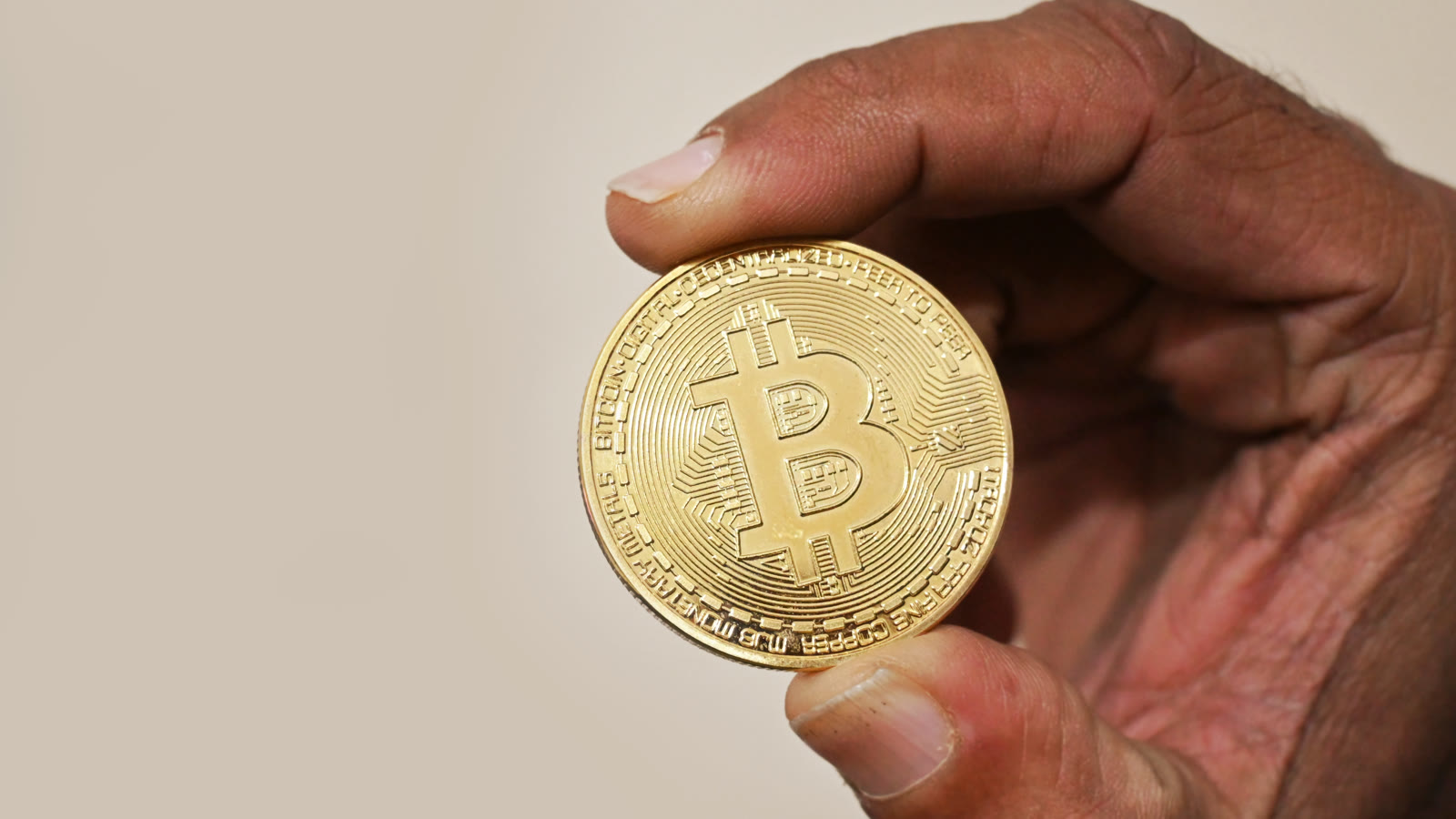
A crypto basket is a group of tokens held together as one portfolio. You choose the assets, you choose how much of each, and you manage the result. The word is also used for packaged products that bundle several tokens into one tradable unit, which is where it overlaps with a crypto index fund. This guide separates the two meanings, shows how a basket is built, and lists the problems that tend to appear after the first week.
What does "crypto basket" mean?
People use the term in three ways, and the differences matter when you compare products.
- A personal basket. You buy several tokens yourself and treat them as one portfolio. Nothing ties them together except your own plan.
- A managed basket. A platform or manager picks the tokens and may change them over time. You hold a share or a set of positions it maintains.
- A rules-based basket. The tokens and their weights follow a published method, and the product holds them in a smart contract or custody account. This is a crypto index fund in everything but name. Our crypto index fund guide covers that structure in detail.
The shared idea is diversification: owning several assets so that one failure does not decide the whole outcome. A basket does not remove risk. It spreads it across more positions, and in crypto many positions move in the same direction at the same time.
Basket or index fund: where the line falls
The practical question is who decides, and how often.
| Personal basket | Managed basket | Rules-based index fund | |
|---|---|---|---|
| Who picks the tokens | You | A manager or platform | A published rule |
| Weights | Whatever you buy | Set by the manager | Fixed by the index method |
| Changes | Whenever you trade | At the manager's discretion | On a schedule or by rule |
| Number of transactions to enter | One per token | Often one | One |
| What you can check in advance | Your own plan | A description | The rule and the holdings |
A personal basket gives the most control and the most work. A rules-based fund gives the least control and the most transparency. A managed basket sits between them, and its quality depends on the people running it, which is harder to verify than a written rule.
Why one basket often looks like one bet
Baskets are meant to spread risk, but crypto assets are strongly linked. According to CoinGecko's global data, total crypto market capitalization was near $2.06 trillion on 25 November 2026, with Bitcoin at roughly 58% and Ether at about 10%. CoinGecko's price feed showed Bitcoin near $59,300, Ether near $1,650 and Solana near $68 that day, each down between 2% and 5% over 24 hours.
When the three largest assets fall together, most tokens in a basket fall with them. A basket of ten coins is not ten independent outcomes. Smaller tokens usually move more than Bitcoin in both directions, so adding them raises the swing in the basket as well as the number of holdings. The useful question is not how many tokens a basket has, but how different their drivers are: a settlement asset, a lending protocol, a tokenized-asset project and a gold-backed token respond to different news.
How to build a basket
A basket is a set of decisions. Writing them down before buying prevents most of the later regret.
1. Define the purpose
Decide what the basket is for. "Own the market's largest assets" leads to a different list than "own DeFi infrastructure" or "own assets that are not tied to Bitcoin's price". A purpose also tells you when to leave a token out.
2. Choose the assets
Start from a written screen. Common filters are market capitalization, trading volume, the age of the project, whether the token is wrapped or native, and whether smart-contract audits exist. DefiLlama shows the total value locked in each protocol and chain, which helps you check whether a DeFi token has real usage behind it.
3. Set the weights
Three starting points cover most cases:
- Equal weights. Each token gets the same share. Simple, but it gives small assets as much influence as large ones.
- Market-cap weights. Larger assets get more. It mirrors the market and ends up dominated by Bitcoin and Ether.
- Capped weights. You set a ceiling per token, for example 30%, and spread the rest.
Harman's two flagship funds show how far apart sensible choices can be. According to the project's fund configuration, the Top 10 Index on Ethereum puts 25% each in wrapped Bitcoin and wrapped Ether and splits the other half across eight tokens, from 10% in Chainlink down to 4% each in Ethena and Arbitrum. The OG Index is far more concentrated: 35% wrapped Bitcoin, 25% wrapped Ether, 15% in the USDT stablecoin, 15% in the gold-backed PAXG, and 10% in Chainlink. You can read the full lists on the Top 10 fund page and the OG fund page. Harman is a demo project today: its contracts run on test networks and there is no mainnet launch yet, so these are descriptions of the design, not of a live product.
4. Plan how you will buy
Buying ten tokens means ten swaps, each with a fee and some slippage, and often gas costs on top. On a network with high fees, small baskets lose a noticeable share of their value to costs before they have moved at all. Packaged products reduce this to one transaction, though they charge their own fees.
5. Decide on rebalancing in advance
Weights drift. A token that doubles takes a bigger slice of the basket and the basket becomes a bet on it. You can sell part of the winners and buy the laggards back to target weights, or you can leave the basket alone. Both are legitimate. Choose one before the market makes the choice emotional, and remember that every rebalancing trade has a cost. The Harman index fund guide compares scheduled and threshold-based approaches.
Costs to count
A basket has several cost layers, and they stack.
- Trading costs. Exchange or swap fees and slippage for each token.
- Network fees. Gas or transaction fees, paid per transfer.
- Product fees. Packaged baskets can charge a management or streaming fee, plus entry and exit fees. For the Harman demo funds, the configuration lists 1% a year as a streaming fee, 0.10% to mint and 0.20% to redeem.
- Tax and record keeping. Each swap can be a taxable event in many countries, and a ten-token basket produces ten times the records. Tax rules differ by jurisdiction, so check yours.
Add them up for your own amount. A fee that looks small on a large position can be large on a small one.
Risks that apply to every basket
- Market risk. If the market falls, so does the basket. Diversification inside crypto does not protect against a crypto-wide decline.
- Concentration risk. A basket with 60% in two assets behaves like those two assets.
- Smart-contract risk. Wrapped tokens and packaged baskets rely on code. A bug or exploit can cause losses that price moves would not.
- Liquidity risk. Small tokens can be hard to sell at the displayed price, especially during stress.
- Counterparty risk. A managed basket depends on the platform's custody and honesty. Stablecoins depend on their issuer's reserves.
- Discipline risk. A basket that you never review and one that you rebuild every week both tend to disappoint.
Harman's funds are not audited. An audit with Verok is planned but not complete, which is one more reason to treat the demo as a way to learn how baskets work rather than a place for real money.
A short checklist before you hold a basket
- Can you state, in one sentence, why each token is in it?
- Do you know the weight of the largest holding and how much it can move the whole?
- Have you added up every fee for your amount and time horizon?
- Do you know what happens when a token in the basket is delisted, hacked or loses its peg?
- Can you exit without a long chain of swaps?
- Is the plan for rebalancing written down?
If any answer is "I don't know", that is the item to research first.
Frequently asked questions
Is a crypto basket the same as a crypto index fund?
Not always. A basket can be any group of tokens, including one you assembled by hand. An index fund is a basket that follows a published rule and is held in one product. Every index fund is a basket, but many baskets are not index funds.
How many tokens should a crypto basket have?
There is no correct number. Most of the benefit of diversification comes from the first handful of unrelated assets. Beyond about ten, new tokens are usually small, correlated with the rest and costly to trade, so they add complexity faster than they add protection.
Should a basket include stablecoins or gold-backed tokens?
Some designs do. A stablecoin share dampens swings and gives cash to use during rebalancing, but it adds issuer risk. A gold-backed token such as PAXG ties part of the basket to a non-crypto asset, with its own custody risk. Neither makes a basket safe.
Do I need to rebalance a crypto basket?
You do not have to. Without rebalancing, weights drift toward whichever assets performed best, which can lift concentration over time. If you do rebalance, a fixed schedule or a drift threshold keeps the process rule-based.
Is this financial advice?
No. This article explains how baskets work. It does not recommend any token or any allocation, and it makes no prediction about prices. Crypto assets can lose most or all of their value.
Where can I see how Harman structures its baskets?
The Top 10 Index and OG Index pages list the components and weights of the Ethereum demo funds. Remember that the project runs on test networks only.
Sources
Related funds
Related posts
-
Guide
Crypto Index Fund Explained: Weights, Fees and Rebalancing
A crypto index fund holds a basket of tokens in set weights so one share tracks a market segment. Learn how weights, fees and rebalancing work, and the risks.
-
Guide
Solana Index Fund: How a Solana Token Basket Works and Risks
A Solana index fund holds SOL and other Solana-based tokens in set weights. See how it is built, what it costs, its risks and how Harman's demo is set up.
-
Guide
RWA Crypto Index: How Tokenized Real-World Assets Are Bundled
An RWA crypto index holds tokens tied to bonds, credit and funds. See what sits inside, how it is weighted, what it costs and how Harman's demo RWA fund works.

Join the waitlist
Leave your email and we will write to you when Harman launches on mainnet.
You are on the list. Thank you.
That did not work. Check the address and try again.