AI Crypto Index: What Tokens It Holds and What Can Go Wrong
An AI crypto index bundles tokens for compute, agents and data. See what sits inside, how it is weighted, what it costs and how Harman's demo AI funds work.
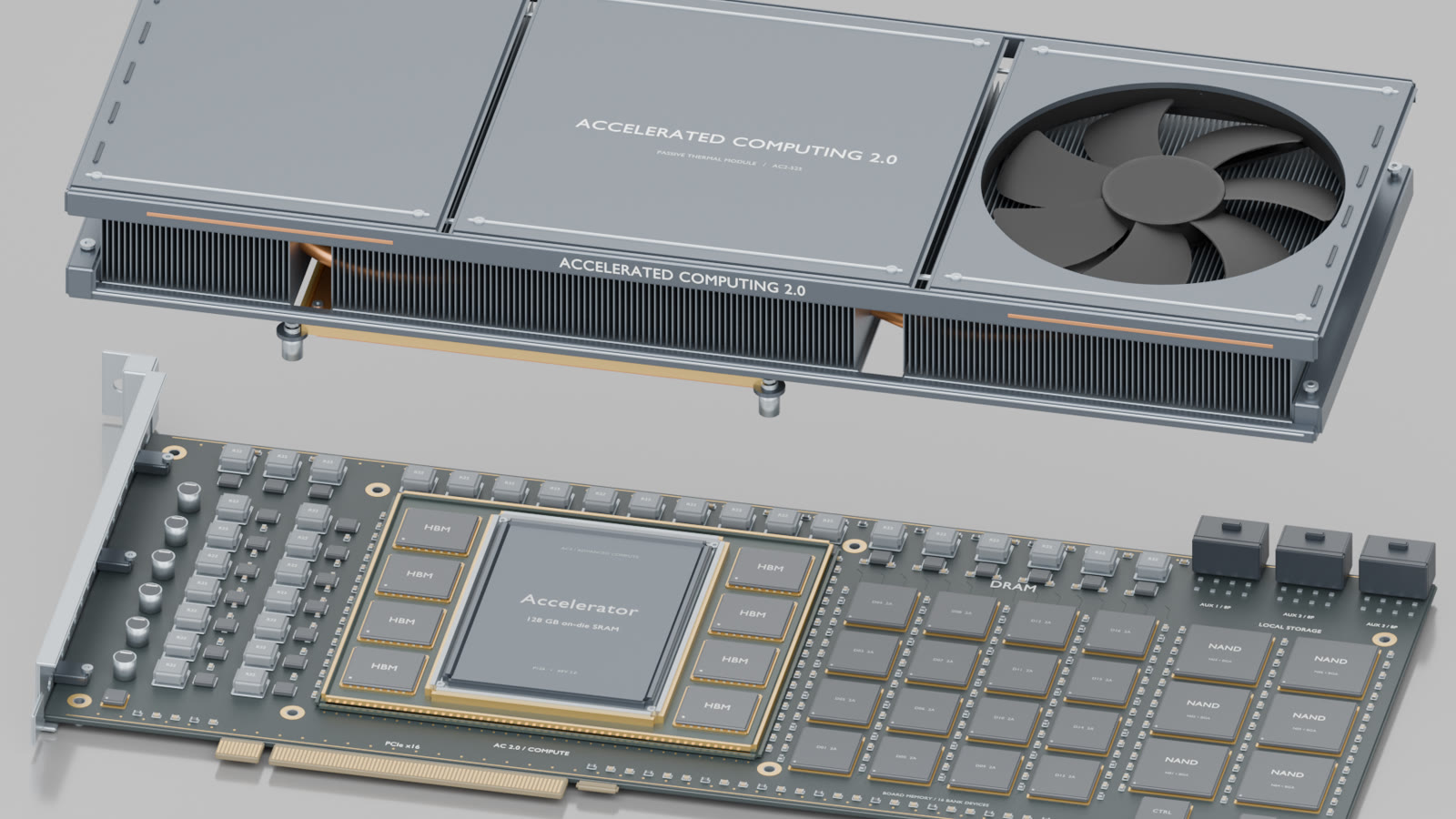
An AI crypto index is a fund that holds several tokens from projects that mix blockchains with artificial intelligence. One share of the fund stands for the whole group, so you do not have to pick the projects yourself. This guide explains what such an index holds, how the weights work, what it costs and where the risks sit. It also shows how the two Harman demo funds for this theme are configured.
What is an AI crypto index?
"AI crypto" is a loose label. It covers any token tied to a project that offers machine learning services, data, computing power or software agents on a blockchain. Some of these projects sell rented graphics processing power. Others run networks where autonomous programs can hold wallets and trade. A few focus on proving that a user is a real person.
An index packs a set of these tokens into one product. If the basics of minting, redeeming and weights are new to you, the crypto index fund guide covers them for any basket. The AI version is a sector index: it narrows the choice to one theme instead of spreading money across the whole market.
How big is the AI sector?
It is small next to the full market and it moves a lot. According to CoinGecko's category data, the artificial intelligence category had a combined market capitalization of about $16.6 billion on 25 November 2026, and it was down about 4.3% over the previous 24 hours. CoinGecko's global figure put the whole crypto market near $2.06 trillion that day, so the AI category was under 1% of it.
Inside the category, size is uneven. CoinGecko listed Bittensor (TAO) at about $2.07 billion, Worldcoin (WLD) at about $878 million and Render (RENDER) at about $693 million. Further down, Grass (GRASS) was near $254 million, Fetch.ai's FET near $246 million and Virtuals Protocol (VIRTUAL) near $234 million. The smallest tokens in a typical AI index can be worth only a few million dollars.
What kinds of assets can the index hold?
Projects in the theme fall into a few groups.
Compute networks. These let people rent out spare graphics cards or servers. Render and io.net work this way. The token pays for the work and rewards the people who supply hardware.
Agent platforms. These host software agents that can act on-chain. Virtuals Protocol, elizaOS and Fetch.ai's network are examples. Their value depends on whether developers and users keep building on them.
Data and identity. Grass pays people to share unused internet bandwidth for data collection, and Worldcoin tries to verify that a wallet belongs to a unique human. Both depend on a steady flow of new participants.
Analytics and media. Tokens such as Arkham, which sells blockchain data tools, and AIOZ Network, which focuses on streaming and decentralized storage, are often filed under AI because their services involve large amounts of data.
A well-built index does not need every group, but it should say clearly which ones it covers.
How are the weights set?
A fund can weight its holdings in a few ways. Equal weighting gives every token the same share. Market-cap weighting gives larger tokens more. A fixed list with hand-picked weights lets the sponsor decide.
For a theme with a few big names and many tiny ones, market-cap weighting would put most of the money in one or two tokens. Fixed weights keep the smallest tokens from vanishing, but they also mean the smallest, riskiest tokens get a meaningful share.
Whatever the rule, weights drift once the fund is running. If one token doubles and the rest stay flat, it becomes a bigger part of the fund. Rebalancing resets the weights to the target. Whether a fund does this, and how often, is something to check before you rely on the weights you see on day one.
How Harman's AI funds are structured
According to the project's fund configuration, Harman has two AI index funds, one on EVM networks and one on Solana. Both are demos.
The EVM fund, Harman AI Index (HAI), holds six tokens:
| Token | Starting weight |
|---|---|
| Artificial Superintelligence Alliance (FET) | 25% |
| Render (RENDER) | 20% |
| Worldcoin (WLD) | 20% |
| Virtuals Protocol (VIRTUAL) | 15% |
| AIOZ Network (AIOZ) | 10% |
| Arkham (ARKM) | 10% |
The Solana fund, Harman Solana AI Index (sAI), holds five:
| Token | Starting weight |
|---|---|
| Render (RENDER) | 35% |
| Grass (GRASS) | 25% |
| io.net (IO) | 20% |
| elizaOS (ELIZAOS) | 10% |
| Zerebro (ZEREBRO) | 10% |
You can read the live lists on the EVM AI fund page and the Solana AI fund page. Render appears in both, which shows how few large names the sector has. For a wider mix of large assets, compare the Top fund.
In the current demo configuration, each fund holds a fixed number of every token, so the weights drift as prices move. The project documentation does not describe automatic rebalancing for these funds.
Harman is a demo project today. Its contracts run on test networks, there is no mainnet launch yet, and a security audit is planned with Verok but not finished. The weights above describe how the demo is set up, not a live product.
What does the index cost?
There are three kinds of cost.
Fund fees. The Harman demo configuration lists a 1% yearly streaming fee, a 0.10% fee when you mint shares and a 0.20% fee when you redeem them. These apply to the demo funds only. Read the fee table of any product you compare.
Trading costs. Larger AI tokens trade in deep markets. The smallest do not. Buying and selling them can cost more than the headline fee, and the gap widens in a sell-off.
Network fees. Each on-chain transaction pays a fee to the network. On a busy chain, that can be a noticeable share of a small position.
What are the risks?
Deep drawdowns. CoinGecko showed most AI tokens far below their all-time highs on 25 November 2026: Worldcoin about 98% below its peak, Render about 91%, Grass about 91%, Fetch.ai's FET about 97%, Virtuals about 93%, AIOZ about 97% and Arkham about 98%. Bittensor was about 77% below its high. A fund that holds these inherits that history.
Theme concentration. Every holding depends on the same story, that blockchains and AI will grow together. If interest fades, the tokens tend to fall at the same time, so the fund offers little protection against a sector-wide slump.
Product risk. Many projects sell a service that has to compete with large cloud and AI companies. A token can lose value even when the project keeps running.
Small-cap liquidity. The smallest tokens have market values of a few million dollars. Selling a large amount can move the price.
Smart contract risk. A fund adds its own contracts on top of every token contract. A bug in any layer can cost money. An independent audit lowers the risk but does not remove it.
Regulatory risk. Rules for tokens linked to data collection and identity checks differ by country and change often.
AI crypto index vs picking one token
Holding one token gives full exposure to one project. If it works, the gain is large. If it fails, the loss is large too. An index trades some of that upside for a wider spread, so a single failure hurts less.
The trade has limits. Because all the holdings share one theme, they often move together, and the index can still fall hard. An AI index also removes the work of choosing, but it does not remove the need to understand what you hold.
How to evaluate an AI crypto index
Before relying on any product, ask these questions:
- Which projects does it hold, and what does each one do?
- How are the weights set, and does the fund rebalance?
- What are the full fees, including minting and redeeming?
- How liquid are the smallest holdings?
- Who runs the contracts, and has an independent firm audited them?
If the answers are hard to find, treat that as information.
Frequently asked questions
What is an AI crypto index?
It is a fund that holds several tokens from projects that combine blockchains with AI, such as compute networks, agent platforms and data projects. One share covers the whole group.
Is an AI crypto index the same as an AI stock fund?
No. A stock fund holds shares of companies. An on-chain AI index holds tokens, which are not shares and carry no ownership claim on a company.
How does an AI crypto index choose its tokens?
The sponsor picks a list and sets the weights, either by market value, equally or by hand. The method should be written in the fund's documentation.
Does the index rebalance?
It depends on the fund. In the current Harman demo configuration, each fund holds a fixed number of every token, so weights drift. The project documentation does not describe automatic rebalancing.
Are the tokens in the index safe?
Not in any guaranteed sense. Most have fallen far from their highs, and the smallest are thinly traded.
Is this financial advice?
No. This guide explains how an AI crypto index works. It does not recommend any token, fund or allocation.
Where can I see how Harman builds its AI funds?
Open the EVM AI fund or the Solana AI fund. Both are demo funds on test networks.
Sources
Related funds
Related posts
-
Guide
RWA Crypto Index: How Tokenized Real-World Assets Are Bundled
An RWA crypto index holds tokens tied to bonds, credit and funds. See what sits inside, how it is weighted, what it costs and how Harman's demo RWA fund works.
-
Guide
Solana Index Fund: How a Solana Token Basket Works and Risks
A Solana index fund holds SOL and other Solana-based tokens in set weights. See how it is built, what it costs, its risks and how Harman's demo is set up.
-
Guide
Crypto Basket: How to Build One and What It Really Costs
A crypto basket is a hand-picked group of tokens held together. See how it differs from an index fund, how to build one, and what to watch for before you do.

Join the waitlist
Leave your email and we will write to you when Harman launches on mainnet.
You are on the list. Thank you.
That did not work. Check the address and try again.