Bitcoin Ecosystem Index Explained: Holdings, Costs and Risks
A bitcoin ecosystem index pairs wrapped BTC with tokens built around Bitcoin. See what it holds, costs, the risks and how Harman's demo fund works.
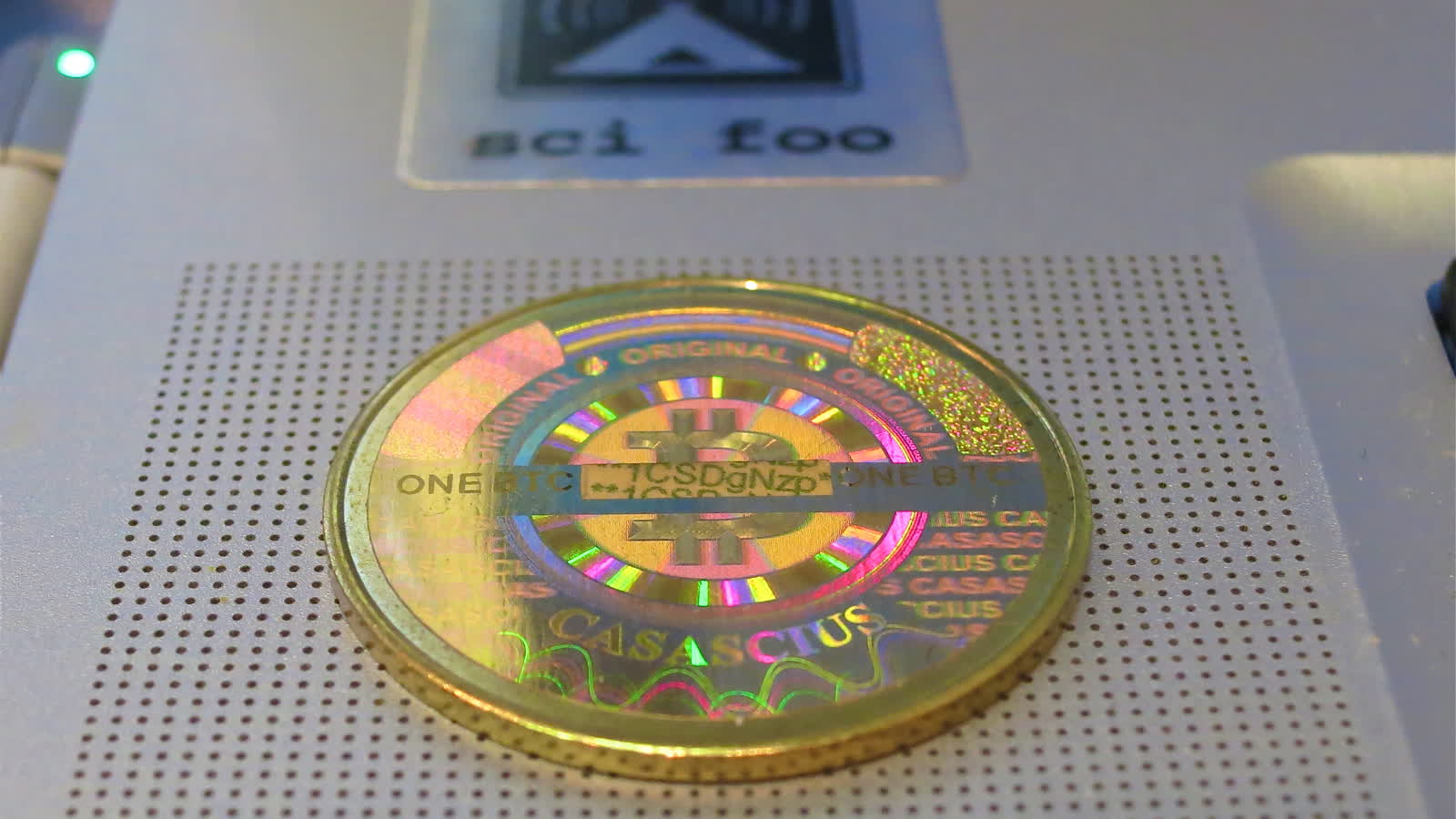
A bitcoin ecosystem index is a fund that holds Bitcoin in some form and adds tokens from projects built around it. The idea is to keep a large Bitcoin position while also touching the newer layer of products that grew up beside it. This guide covers what such an index holds, how the weights work, what it costs and where the risks sit. It also shows how the Harman demo fund for this theme is configured.
What is a bitcoin ecosystem index?
Bitcoin itself is one asset. The ecosystem is everything built to use it: wrapped versions that work on other networks, protocols that let holders earn yield on their coins, and sidechains or layers that add smart contracts to a chain that was not designed for them.
An index of this kind bundles a core Bitcoin holding with several of those project tokens. You hold one share of the fund, and the fund holds the pieces. If the general mechanics are new to you, start with the crypto index fund guide, which explains minting, redeeming and weights for any basket.
The theme sits between two simpler choices. Buying only Bitcoin gives clean exposure to one asset. Buying a broad market index spreads money across many sectors. A Bitcoin ecosystem index keeps the Bitcoin tilt but accepts extra risk from smaller tokens.
How big is Bitcoin compared with the rest?
Bitcoin dominates the market. According to CoinGecko's Bitcoin page, its market capitalization was about $1.19 trillion on 25 November 2026, with the price near $59,300. CoinGecko's global data put total crypto market capitalization near $2.06 trillion that day, which makes Bitcoin roughly 58% of the whole market.
The tokens built around it are a different size entirely. On the same CoinGecko data, Threshold (T) was worth about $42 million, Lombard (BARD) about $32 million, BOB about $9 million and Corn (CORN) about $5 million. Added together, these four are under 0.01% of Bitcoin's market value. The gap matters for how a fund behaves, because small tokens trade in thin markets.
What kinds of assets can the index hold?
Projects in this theme fall into a few groups.
Wrapped Bitcoin. A wrapped token is a claim on Bitcoin that lives on another network, such as Ethereum. It lets Bitcoin be used in apps that cannot read the Bitcoin chain. Someone holds the real coins and issues the wrapped version, so the holder relies on that custodian or on the bridge design. According to DefiLlama's protocol data, WBTC held about $6.9 billion in value on 25 November 2026, the largest single entry in the Bitcoin bridge category.
Staking and yield protocols. Some projects let Bitcoin holders lock coins to secure other networks and earn rewards. DefiLlama lists Babylon with roughly $2.5 billion in value locked on the same date. Rewards come with extra smart contract and slashing risk.
Layers and sidechains. These are separate networks that settle back to Bitcoin and often have their own token. They add features such as smart contracts, but they also add new code, new validators and new ways to fail.
Infrastructure tokens. Some tokens govern tools that wrap, bridge or secure Bitcoin on other chains. Their value depends on adoption of that single tool.
Only the first group is close to Bitcoin's own risk. Each step further out adds a layer of assumptions.
How are the weights set?
The weight is the share each holding represents when the fund starts. Methods include:
- Market-cap weight. Bitcoin would take almost everything, since the other tokens are tiny next to it. The fund would behave like plain Bitcoin.
- Equal weight. Each token gets the same share. Small, risky tokens count as much as Bitcoin, which makes the fund far more volatile.
- Designed weight. The creator sets a large core position and sizes the smaller ones by hand. This is the common choice for theme funds.
The third method is a judgment call. A heavy core keeps the fund tied to Bitcoin, and the satellite weights decide how much the small tokens matter. For a comparison between a hand-built mix and a rules-based fund, see the crypto basket guide.
How Harman's Bitcoin ecosystem fund is structured
According to the project's fund configuration, the Harman Bitcoin Ecosystem Index (symbol HBTC) is an EVM fund with five holdings:
| Token | Role | Starting weight |
|---|---|---|
| Wrapped Bitcoin (WBTC) | Core Bitcoin exposure | 50% |
| Threshold (T) | Bitcoin-related protocol token | 15% |
| Lombard (BARD) | Bitcoin staking and wrapping project | 15% |
| Corn (CORN) | Bitcoin-focused network token | 10% |
| BOB (BOB) | Bitcoin-linked layer token | 10% |
Half of the starting basket is wrapped Bitcoin and the other half is four smaller tokens. You can read the live list on the Bitcoin Ecosystem fund page. For a broader contrast, the Top fund holds a wider mix of large assets.
In the current demo configuration, a fund holds a fixed number of each token, so weights drift as prices move. The project documentation does not describe automatic rebalancing for these funds.
Harman is a demo project today. Its contracts run on test networks, there is no mainnet launch yet, and a security audit is planned with Verok but not finished. The weights above describe how the demo is set up, not a live product.
What does the index cost?
There are three kinds of cost.
Fund fees. The Harman demo configuration lists a 1% yearly streaming fee, a 0.10% fee when you mint shares and a 0.20% fee when you redeem them. These apply to the demo funds only. Read the fee table of any product you look at.
Trading costs. Wrapped Bitcoin trades in deep markets. The small tokens do not. Buying and selling them can cost more than the headline fee, and the cost grows in a sell-off.
Network fees. Every on-chain transaction pays a fee to the network. On a busy chain, that can be a noticeable share of a small position.
What are the risks?
Bitcoin price risk. The core holding moves with Bitcoin. On CoinGecko's figures, Bitcoin was about 53% below its all-time high and had fallen about 26% over the previous 30 days.
Small-token drawdowns. The satellite tokens have fallen much further. CoinGecko showed Threshold about 98% below its peak, Lombard about 95%, BOB about 93% and Corn about 95%. Over 30 days, BOB was down about 57% and Corn about 63%. A fund that holds them takes on that range of outcomes.
Custody and bridge risk. A wrapped token depends on whoever holds the real Bitcoin. If that custodian fails or a bridge is exploited, the wrapped token can lose its link to the price of Bitcoin.
Smart contract risk. A fund adds its own contracts on top of every token contract. A bug in any layer can cost money. An independent audit lowers the risk but does not remove it.
Liquidity. In stress, small tokens can be hard to sell near the quoted price.
Regulatory risk. Rules for staking, wrapped assets and custody differ by country and change often.
Bitcoin ecosystem index vs holding Bitcoin
Holding Bitcoin gives a simple, liquid position with one source of risk. An ecosystem index gives up some of that simplicity. In exchange it adds exposure to projects that may grow if Bitcoin gets more use beyond simple holding.
Those projects might also fail, and the evidence so far shows steep falls for the smaller tokens. A reader who only wants Bitcoin price exposure gets it more cleanly from Bitcoin. The ecosystem fund suits someone who understands the extra layers and accepts them.
How to evaluate a bitcoin ecosystem index
Before you consider any fund like this, check these points:
- Core holding. How is the Bitcoin held, and who is the custodian or bridge operator?
- Weights. How much sits in small tokens, and is any single token capped?
- Liquidity. Can the fund trade the small tokens at its size?
- Fees. What is the full cost, including trading and network fees?
- Audit status. Has an independent firm reviewed the contracts, and can you read the report?
- Your own limit. Decide in advance how much you can lose without it changing your life.
Frequently asked questions
What is a bitcoin ecosystem index?
It is a fund that holds Bitcoin, usually in wrapped form, together with tokens of projects built around Bitcoin. One share covers the whole group.
Is it the same as a Bitcoin ETF?
No. A spot Bitcoin ETF holds Bitcoin itself and trades on a stock exchange. An on-chain ecosystem index holds tokens, including wrapped Bitcoin and smaller project tokens, and is used through wallets and smart contracts.
Why does the fund hold wrapped Bitcoin instead of Bitcoin?
Smart contract networks such as Ethereum cannot hold native Bitcoin. A wrapped token stands in for it, backed by coins kept by a custodian.
Does the index earn yield?
Not by default. Any return comes from price changes unless a specific holding pays rewards. Staking-based tokens carry their own risks.
Is it safer than a broad crypto index?
Not necessarily. The Bitcoin core is large, but the smaller tokens have fallen sharply, and custody adds a risk that a plain basket of native assets does not have.
Is this financial advice?
No. This guide explains how a bitcoin ecosystem index works. It does not recommend any token, fund or allocation.
Where can I see how Harman builds its Bitcoin fund?
Open the Bitcoin Ecosystem fund. It is a demo fund on a test network.
Sources
Related funds
Related posts
-
Guide
Solana Index Fund: How a Solana Token Basket Works and Risks
A Solana index fund holds SOL and other Solana-based tokens in set weights. See how it is built, what it costs, its risks and how Harman's demo is set up.
-
Guide
Crypto Basket: How to Build One and What It Really Costs
A crypto basket is a hand-picked group of tokens held together. See how it differs from an index fund, how to build one, and what to watch for before you do.
-
Guide
Crypto Index Fund Explained: Weights, Fees and Rebalancing
A crypto index fund holds a basket of tokens in set weights so one share tracks a market segment. Learn how weights, fees and rebalancing work, and the risks.

Join the waitlist
Leave your email and we will write to you when Harman launches on mainnet.
You are on the list. Thank you.
That did not work. Check the address and try again.